

 The best window styles for maximum insulation in Ontario homes are casement, fixed picture, and awning windows. They seal tightest against cold air, so they hold heat the best.
That seal matters more here than in most places. Here winters are long, and heating bills keep climbing. A drafty window quietly leaks warmth all season, day and night. The right style keeps that heat inside, where you actually paid for it. It also keeps each room at a steadier, more comfortable temperature.
Read on to find the window styles that hold heat best, and why they work so well.
Best Window Styles for Maximum Insulation
Now let us look at the styles themselves. Each one seals in its own way, so each performs differently.
1. Casement Windows (Best Overall for Insulation)
Casement windows hinge on the side and crank open outward. When you lock one shut, the sash pulls in and presses firmly against the frame on all four sides. This forms a tight compression seal that blocks air much like a fridge door.
Better still, wind pushing on the glass only forces that seal tighter. For this reason, expert casement windows deliver the strongest insulation of any window you can open in an Ontario winter.
Key Features:
- Side-hinged sash with crank operation
- Compression seal on all four sides
- Multi-point locking for tight closure
- Strong performance against wind-driven cold
- Full opening for excellent ventilation
- Clear, unobstructed glass views
- Pairs well with triple-pane glass
| Pros | Cons |
|
|
2. Fixed (Picture) Windows (Highest Insulation Performance)
Picture windows are sealed shut and never open. With no sash to move and no moving parts, there are no gaps for air to pass through. That sealed design makes them the strongest insulator of every window style.
They also bring in the most daylight and frame your view like artwork. Place them where you want warmth and light rather than airflow. In bright living rooms and stairwells, large picture windows lift both comfort and curb appeal.
Key Features:
- Sealed, non-opening design
- Near-zero air leakage rating
- Largest glass area available
- Maximum natural light intake
- Lowest possible U-factor potential
- Customizable shapes and sizes
- No hardware to wear out
| Pros | Cons |
|
|
3. Double-Hung Windows (Moderate Insulation Option)
Double-hung windows use two sashes that slide up and down. Both sashes tilt inward, which makes cleaning the glass quick and safe. This style suits Ontario’s many older and heritage homes nicely. Because the sashes glide in tracks, they rely on brush weatherstripping instead of a compression seal.
So the insulation is reliable, but moderate rather than fully airtight. Modern double-hung windows close that gap with Low-E glass and tighter, updated seals.
Key Features:
- Two operable sliding sashes
- Both sashes tilt in for cleaning
- Classic look for older homes
- Top or bottom ventilation control
- Spiral balance holds sash in place
- Fits traditional window openings
- Pairs with Low-E glass upgrades
| Pros | Cons |
|
|
4. Sliding Windows (Lower Insulation Performance)
Sliding windows open by gliding horizontally along a track. Since the sash slides past the frame instead of pressing tight against it, they let a bit more air leak than casement windows. As a result, their insulation performance usually sits lower on the scale. That said, they are affordable, easy to operate, and need very little effort to open and close.
They work especially well in kitchens, basements, and spots where a window cannot swing outward. With Low-E glass added, professional slider windows still hold their own through a Canadian winter.
Key Features:
- Horizontal sliding operation
- Pile weatherstripping on the track
- Simple, low-maintenance design
- Budget-friendly price point
- Wide views with slim frames
- Easy operation for any age
- Good for wide wall openings
| Pros | Cons |
|
|
Read More: How to Choose the Right Window Replacement Company in Ontario
5. Awning Windows (Strong Insulation + Weather Protection)
Awning windows hinge at the top and open outward from the bottom. Like casements, they seal with compression, so they shut drafts out tightly. The open sash also acts like a small roof over the gap, keeping rain and snow out.
That design makes them a smart fit for our wet, changeable weather. You can even leave one cracked open during a light shower. In bathrooms and kitchens, energy-efficient awning windows bring in fresh air without the chill.
Key Features:
- Top-hinged outward opening
- Compression seal for tight closure
- Rain protection while open
- Strong airtight winter performance
- Fits high or hard-to-reach walls
- Pairs with larger fixed windows
- Good privacy at eye level
| Pros | Cons |
|
Smaller opening size
Swings out into walkways Limited view when stacked |
6. Double Slider Windows (Convenient but Moderate Insulation)
Double slider windows let both panes glide left and right. With two moving sashes, you get more control over airflow, which busy rooms appreciate. They breathe well in kitchens and other spots that tend to trap moisture. Because both sashes slide, they seal moderately rather than tightly. Paired with strong glass and argon fill, durable double slider windows handle daily use and Ontario weather with ease.
Key Features:
- Two sashes slide both directions
- Maximum cross-ventilation control
- Lift-out sashes for easy cleaning
- Full-length screen option
- Slim sightlines, wide glass
- Practical for everyday use
- Works in standard openings
| Pros | Cons |
|
|
7. End-Vent Slider Windows (Improved Ventilation Design)
End-vent sliders use a three-part layout with a fixed pane in the centre. Two smaller panes then slide open at each end for airflow. This design opens up a wider view while still letting air move freely.
The fixed middle section adds insulation that a standard slider cannot match. So you get better warmth without giving up ventilation. On wide walls, modern end-vent slider windows strike a smart balance between comfort and fresh air.
Key Features:
- Three-section sliding layout
- Fixed centre pane for stability
- Two end vents for airflow
- Wider view than basic sliders
- Better insulation from fixed glass
- Suits large horizontal openings
- Balanced look and function
| Pros | Cons |
|
|
8. Fixed Casement Windows (Sealed for Strong Efficiency)
Fixed casement windows blend the slim casement frame with a sealed, non-opening design. They do not crank open, so no air escapes around a moving sash. This gives them insulation close to a picture window, with a narrower, cleaner frame.
They pair beautifully beside operable casements to form a larger window wall. Use them where you want a tight seal and a crisp, modern look. For sealed efficiency with style, fixed casement windows are a strong choice.
Key Features:
- Non-opening sealed design
- Slim casement-style frame
- Very low air leakage
- Matches operable casement units
- Large clear glass area
- Modern, clean sightlines
- Pairs with triple-pane glass
| Pros | Cons |
|
|
Read More: Top Reasons To Replace Windows In Ontario
9. Single-Hung Windows (Budget-Friendly Traditional Option)
Single-hung windows look like double-hung, but only the bottom sash moves. The top sash stays fixed, which removes one possible path for air to leak. Fewer moving parts also tends to mean a slightly tighter, longer-lasting seal.
On top of that, they cost less, so they fit a tighter renovation budget. They are a favourite for rentals, secondary rooms, and first homes. For classic looks at a friendly price, affordable single-hung windows are tough to beat.
Key Features:
- One operable bottom sash
- Fixed upper sash seals tight
- Lower cost than double-hung
- Fewer moving parts to fail
- Traditional appearance kept
- Tilt-in lower sash for cleaning
- Half screen included
| Pros | Cons |
|
|
10. Single Slider Windows (Basic Insulation Performance)
Single slider windows pair one fixed pane with one sliding sash. Keeping one side fixed removes an air path that a double slider has. The result is basic but dependable insulation at the lowest price point.
They open smoothly sideways and need almost no upkeep. That makes them a practical fit for basements, secondary rooms, and rental units. Add Low-E glass and argon, and reliable single slider windows give you simple, affordable function.
Key Features:
- One sliding, one fixed pane
- Fewer air paths than double sliders
- Affordable entry-level price
- Easy horizontal operation
- Half screen for airflow
- Slim profile, clear view
- Good for compact spaces
| Pros | Cons |
|
|
What Makes a Window Energy-Efficient in Ontario?
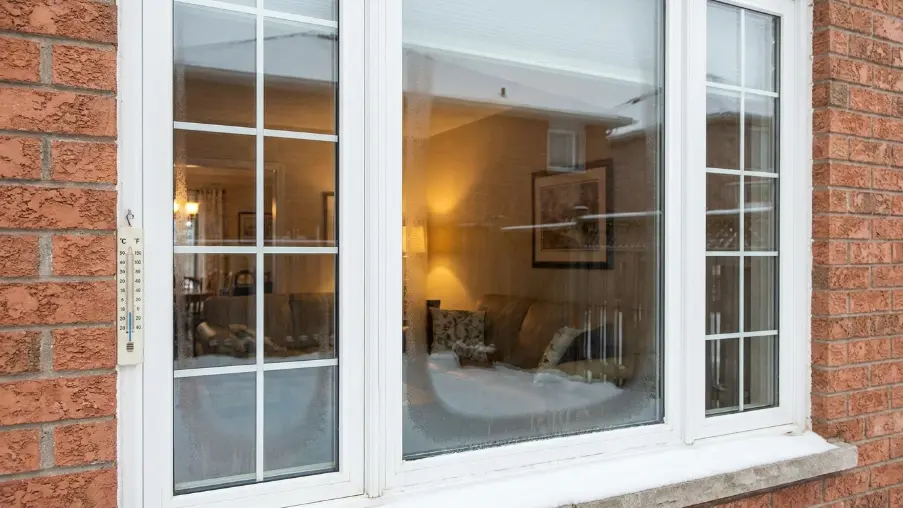
Good insulation comes from five things working together. Style alone never tells the whole story. Glass, gas, frame, seal, and installation each carry part of the load. Here is what every piece does.
Low Heat Loss (U-Factor Performance)
U-factor measures how quickly heat escapes through a window. A lower number means better insulation. According to Natural Resources Canada, strong double-glazed units reach 1.2 W/m²K or lower. Triple-glazed units can drop to 0.8. In our cold climate, a lower U-factor is always the safer bet.
Multi-Pane Glass (Double vs Triple Glazing)
Glazing simply means the layers of glass inside a window. Double-pane glass suits many homes across the Greater Toronto Area. Triple-pane adds a third layer and a second sealed pocket of gas. Further north, around Sudbury, that extra pane really earns its keep. For the coldest local conditions, many homeowners step up to triple-pane windows for the noticeable comfort gain.
Gas Fills (Argon or Krypton Between Panes)
Argon and krypton are dense, harmless gases sealed between the panes. They slow heat transfer far better than plain air. Argon is the standard choice, and it offers great value for most Ontario homes. Krypton insulates even better inside tight triple-pane spaces. It makes the most sense in extreme cold, like a deep Greater Sudbury winter.
Proper Sealing and Frame Quality
The frame holds everything together and blocks heat from bridging through. Vinyl frames handle temperature swings well and ask for little upkeep. They take our freeze-thaw cycles in stride, without warping or rotting. Multi-chamber vinyl windows also trap air for a bit more insulation. A weak frame, on the other hand, can undo even the best glass.
Installation Quality and Air Leakage Control
Even a great window leaks if it is installed poorly. Air slips through the gaps around a frame that does not fit right. Careful air sealing and flashing shut those drafts down. Plenty of local homeowners feel cold air even with the window closed. Usually that points to the installation, not the window itself.
Read More: Can a General Contractor Install Windows?
Conclusion
Choosing the best window styles for maximum insulation in Ontario homes protects both your comfort and your wallet. Casement, fixed, and awning styles seal tightest against our cold.
Match the style to each room, then back it with strong glass and a proper install. Ready to cut drafts and shrink your heating bills for good? Book your free consultation with Panorama Windows & Doors today and warm up your home.
Frequently Asked Questions
What is the most energy-efficient window style?
Fixed picture windows insulate best, since they never open. Among windows you can open, casements lead the pack.
Are triple-pane windows worth it in Ontario?
Often yes, especially in colder northern areas or noisy spots. They cut condensation and hold heat better than double-pane.
Do new windows lower heating bills?
Yes. ENERGY STAR certified windows run about 20% more efficient, which trims your yearly heating and cooling costs.
Why do my windows frost up in winter?
Cold glass meets warm indoor air, which creates frost and condensation. Tighter seals and triple-pane glass reduce it sharply.
Should I choose full-frame or retrofit replacement?
Full-frame replacement seals better and fixes hidden rot. Retrofit costs less, but it skips the deeper air-sealing benefits.
Written by Alex Soroka, Senior Project Manager.